

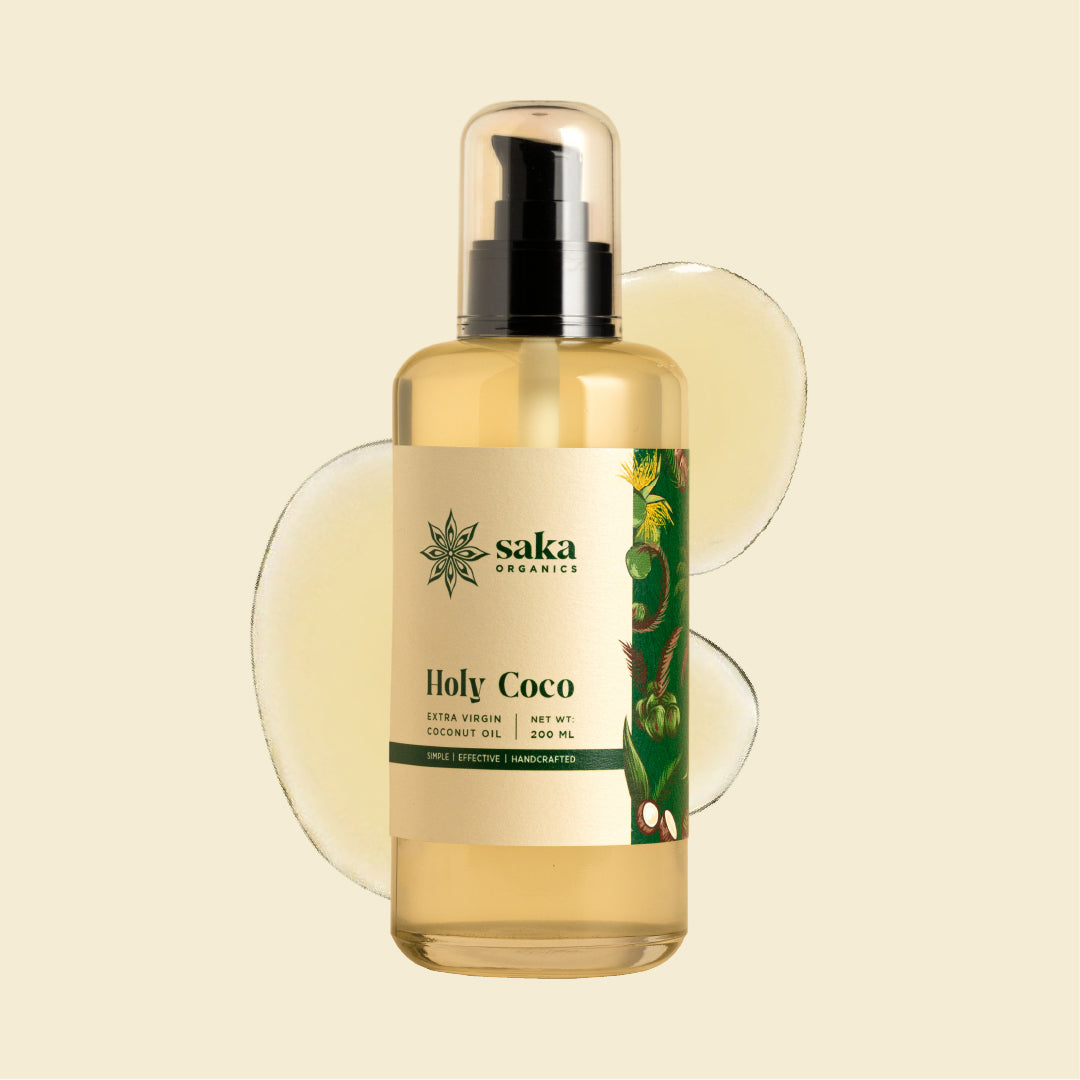
Extra Virgin Coconut Oil
Quantity:
Pairs well with
Description
Holy Coco is Saka’s pure coconut oil, a simple, versatile oil for everyday hair and skin care.
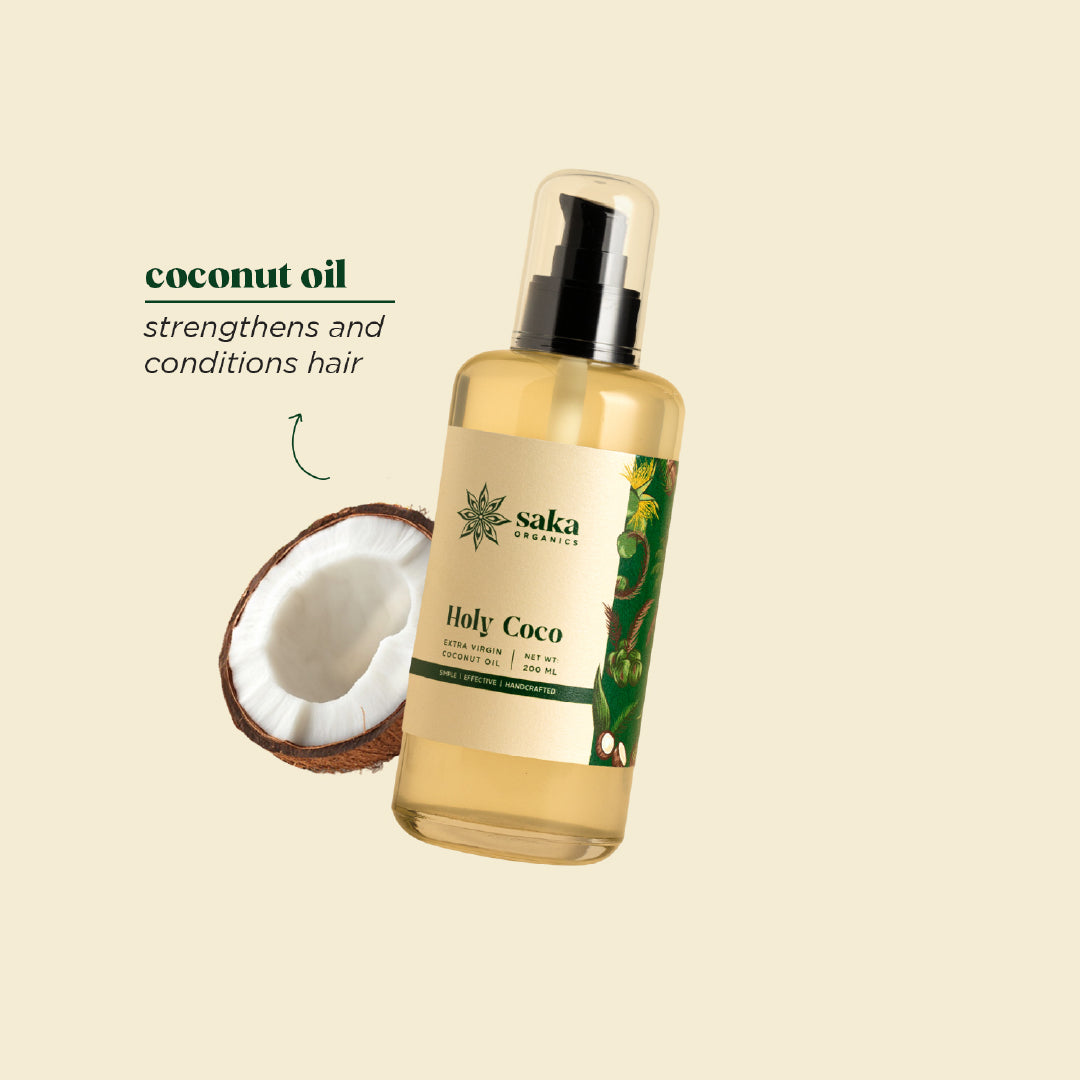
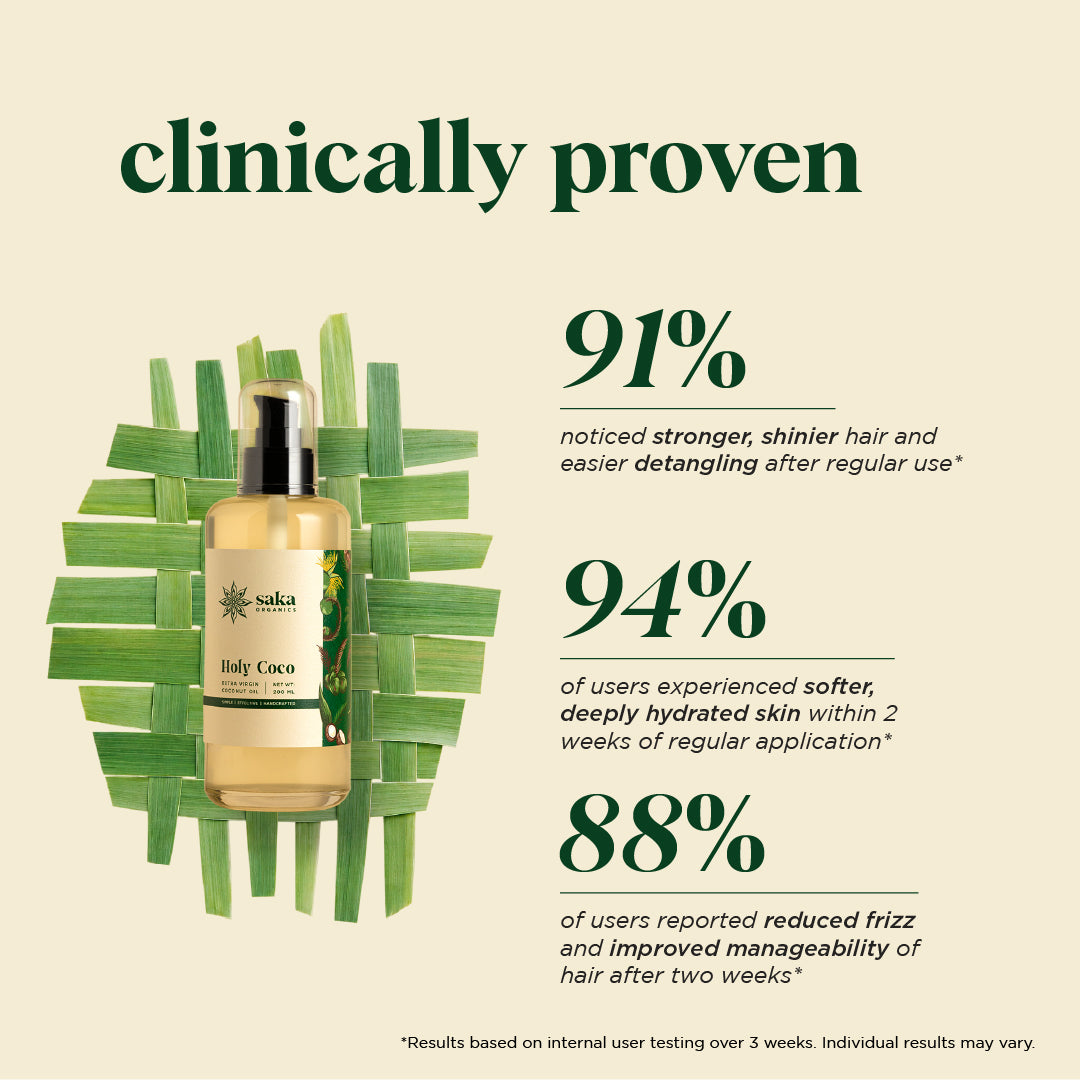
Rich and naturally nourishing, coconut oil helps moisturize and condition dry-feeling hair, while also helping soften and smooth the skin. Use it as a pre-wash hair treatment, scalp massage oil, body moisturizer, or whenever your skin and hair need a little extra nourishment.
A simple staple for soft, nourished, and conditioned hair and skin.
Key benefits:
-
Nourishes dry-feeling hair and skin
-
Conditions and softens hair
-
Helps moisturize and smooth the skin
-
Versatile enough for everyday hair and body care
Packaging Information
Manufactured by:
SSO Organics Privatet Limited
1-86, Penumarthi, Kakinada, AP-533005.
ML No: AP-17-0008263
Marketed by:
SSO ORGANICS PRIVATE LIMITED
Ground Floor, A & A Lake Front, Durgam Cheruvu Road,
Madhapur, Hyderabad, Rangareddy, Telangana - 500081
Caution: For external use only.
Storage: Store in a cool and dry place.
Best Before: *12 Months (From Date of Manufacturing)
Country of origin: India
Ingredients
Directions Of Use
End Of Life
Extra Virgin Coconut Oil
If you have any questions, you are always welcome to contact us. We'll get back to you as soon as possible, within 24 hours on weekdays.
-
Shipping Information
Use this text to answer questions in as much detail as possible for your customers.
-
Customer Support
Use this text to answer questions in as much detail as possible for your customers.
-
FAQ’s
Use this text to answer questions in as much detail as possible for your customers.
-
Contact Us
Use this text to answer questions in as much detail as possible for your customers.
Activedayur HG™
Shop the Feed
FAQs
Please read our T&C page to find out more.
What is the difference between extra virgin coconut oil and regular refined coconut oil, and why does it matter for hair care?
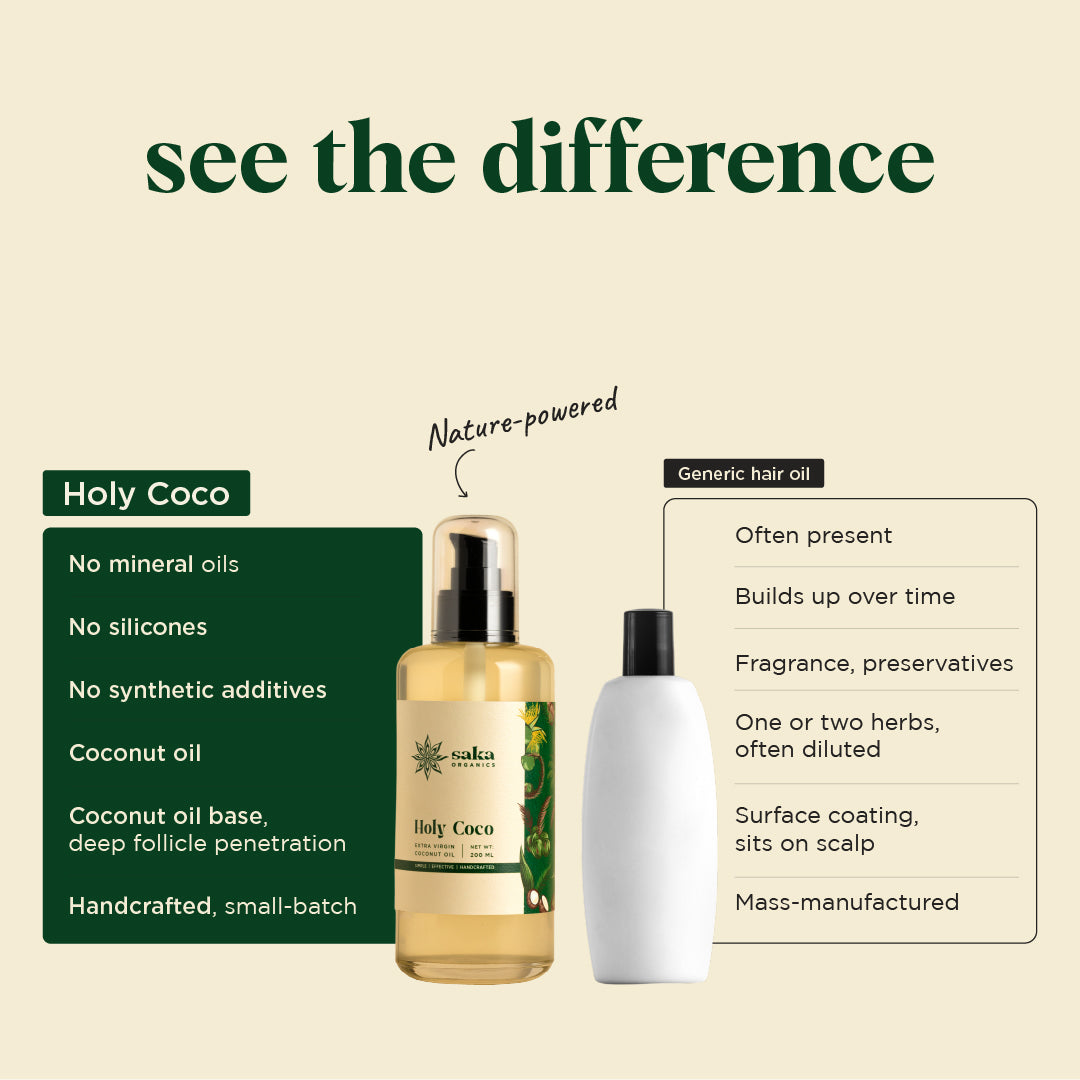
Extra virgin coconut oil, like Saka Organic's Holy Coco, is cold-pressed from fresh coconut milk without the use of heat or chemicals. This preserves the oil's natural lauric acid content, antioxidants, and medium-chain fatty acids in their most potent form. Refined coconut oil, by contrast, is typically extracted from dried coconut (copra) using heat and chemical solvents, which strips away many of its beneficial compounds. For hair care, this difference is significant the high lauric acid content in organic virgin coconut oil has a low molecular weight that allows it to actually penetrate the hair shaft rather than just sitting on top of it, reducing protein loss and strengthening hair from within.
What are the key virgin coconut oil benefits for hair growth and scalp health?
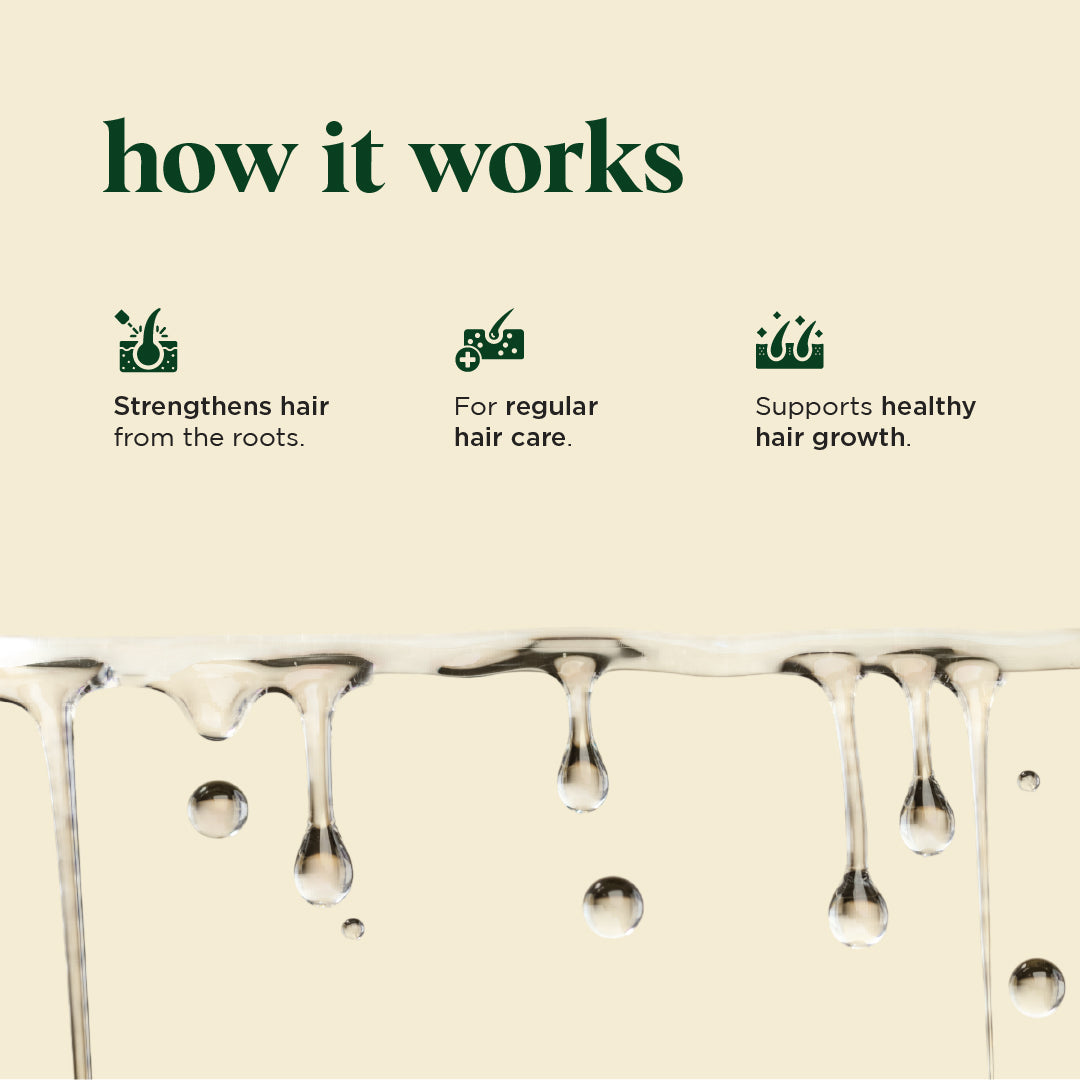
When used regularly, virgin coconut oil for hair delivers multiple benefits simultaneously. Its anti-fungal and antibacterial properties help maintain a healthy scalp microbiome, which is the foundation of strong hair growth. The medium-chain fatty acids nourish hair follicles and reduce inflammation that can stunt growth. Applied as a pre-wash oil treatment or an overnight mask, Holy Coco extra virgin coconut oil also forms a protective lipid layer around each hair strand, reducing moisture loss during washing and protecting against hygral fatigue the damage caused by hair repeatedly swelling with water and then drying out. Over time, this leads to less breakage, improved texture, and more resilient hair.
Can Holy Coco organic virgin coconut oil be used on the body and face, or is it only for hair?
One of the most well-known virgin coconut oil benefits is its versatility. Holy Coco extra virgin coconut oil works beautifully as a body moisturiser, particularly for dry skin on the elbows, knees, and feet. Its natural emollient properties lock in moisture without synthetic additives. It can also be used as a gentle makeup remover, a lip balm, or a cuticle softener. However, if you have acne-prone or oily facial skin, it's worth being cautious about applying it directly to the face in large quantities, as coconut oil is moderately comedogenic for some skin types. For hair and body use, it is broadly suitable across skin and hair types.
How should Holy Coco extra virgin coconut oil be applied for best results as a hair treatment?
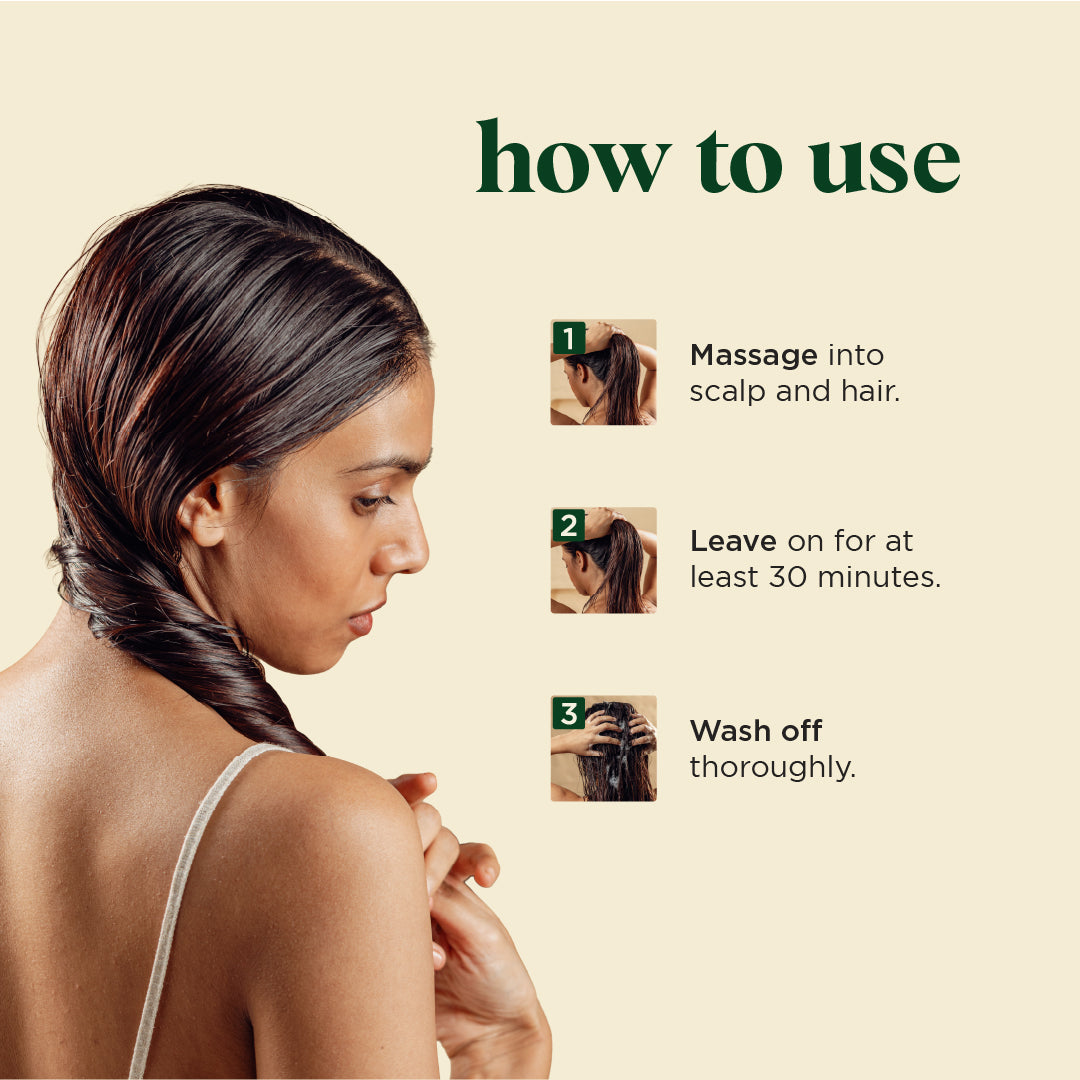
For a deep conditioning treatment, warm a small amount of Holy Coco between your palms until it melts (it is solid at room temperature) and apply it to the lengths and ends of your hair, working a little into the scalp as well. Leave it on for at least 30–45 minutes, or overnight with a loose bun for more intense nourishment. Wash it out with a gentle sulphate-free shampoo you may need two rounds of shampooing to fully remove it. As a pre-wash treatment applied before every shampoo session, organic virgin coconut oil is particularly effective at reducing the damage caused by washing itself, including swelling of the hair shaft and cuticle roughening.
Does Holy Coco extra virgin coconut oil have a strong smell, and will it leave hair greasy?
Holy Coco has the characteristic mild, natural scent of fresh coconut pleasant and light, not overpowering. Because it is extra virgin and unrefined, it retains this natural fragrance without any synthetic perfumes added. As for greasiness, the key is using the right amount for your hair's length and thickness. Fine or short hair needs only a very small amount start with less than you think you need and build up if necessary. Applying it mainly to the mid-lengths and ends rather than loading it onto the roots also helps avoid a heavy look. When used as a pre-wash oil and thoroughly washed out, there should be no greasy residue left behind.
Let customers speak for us
Just started using it. Smell natural and feels good. yet to realize results. the packing - the bottle, oil dispensing pump and the cap are solid & thoughtfully designed for easy and spill proof usage.

"Premium quality toothbrush"
The packaging is beautiful and the product feels thoughtfully designed. A small change that makes a positive impact.

Premium quality tongue cleaner"
The product feels strong, lightweight, and well-designed. I appreciate the natural material and elegant packaging.

"Love the herbal formula"
I was looking for a natural tooth powder and this one exceeded my expectations. It feels gentle and refreshing.

"Love the Ayurvedic touch"
This tooth powder reminds me of traditional oral care remedies. The ingredients feel natural and gentle for everyday use.

⭐️⭐️⭐️⭐️⭐️
"Beautiful herbal bath powder"
I love using natural skincare products, and this one gives my skin a fresh and smooth feeling without feeling heavy.

"Best hair oil for my routine!"
I have been using this hair oil regularly and my hair feels much softer and healthier. The natural ingredients make it feel gentle and nourishing.
"Relaxing bath experience!"
This bath salt turns my normal bath into a spa-like experience. The natural fragrance feels calming and leaves my body feeling refreshed.

"Loved the coffee fragrance!"
The scrub smells amazing and makes my skin feel super soft after every use. My skin feels fresh, smooth, and hydrated.

Amazing handmade soap with a refreshing eucalyptus and camphor fragrance. It cleanses well, leaves my skin soft and hydrated, and provides a cooling, spa-like feeling after every use. Great quality product and perfect for everyday use. Will definitely purchase again!

This Activated Charcoal & Mint Detox Soap is one of the best handmade soaps I’ve used. It deeply cleanses my skin, removes excess oil, and leaves it feeling fresh and revitalized. The charcoal helps draw out impurities, while the mint provides a cooling and refreshing sensation. Despite its deep-cleansing properties, it doesn’t dry out my skin and keeps it feeling soft and hydrated. The natural ingredients and pleasant mint fragrance make it perfect for daily use. Highly recommended for anyone looking for a refreshing detox soap!

Excellent handmade soap! It leaves my skin clean, soft, and nourished without dryness. The turmeric helps brighten my complexion, while the shea butter keeps my skin moisturized. Great quality product with a pleasant natural scent. Will buy again!

I've avoided hair oils for years because most of them feel too heavy and greasy. This one was surprisingly lightweight and didn't leave my hair looking flat or oily. It's easy to apply, washes out without multiple rounds of shampoo, and feels much more pleasant to use than traditional hair oils.
I wasn't expecting much when I first tried this soap, but it quickly became one of my favourites. It lathers well, has a natural feel to it, and leaves my skin looking refreshed. After a few weeks of regular use, my skin looked clearer and more radiant. Simple, effective, and does exactly what I was hoping for.
Picked up a bunch of products from Saka Organics recently, and the Eucalyptus Soap has been the standout for me. It has a really fresh, clean scent that makes morning showers feel instantly more refreshing. I've also been using their lip balm and tooth powder, and both have exceeded my expectations. What I like most about the brand is that the products feel simple, honest, and effective - nothing unnecessary, just products that work. Will definitely be trying more from their range.