

Charcoal & Mint Tooth Powder
Quantity:
Pairs well with
Description
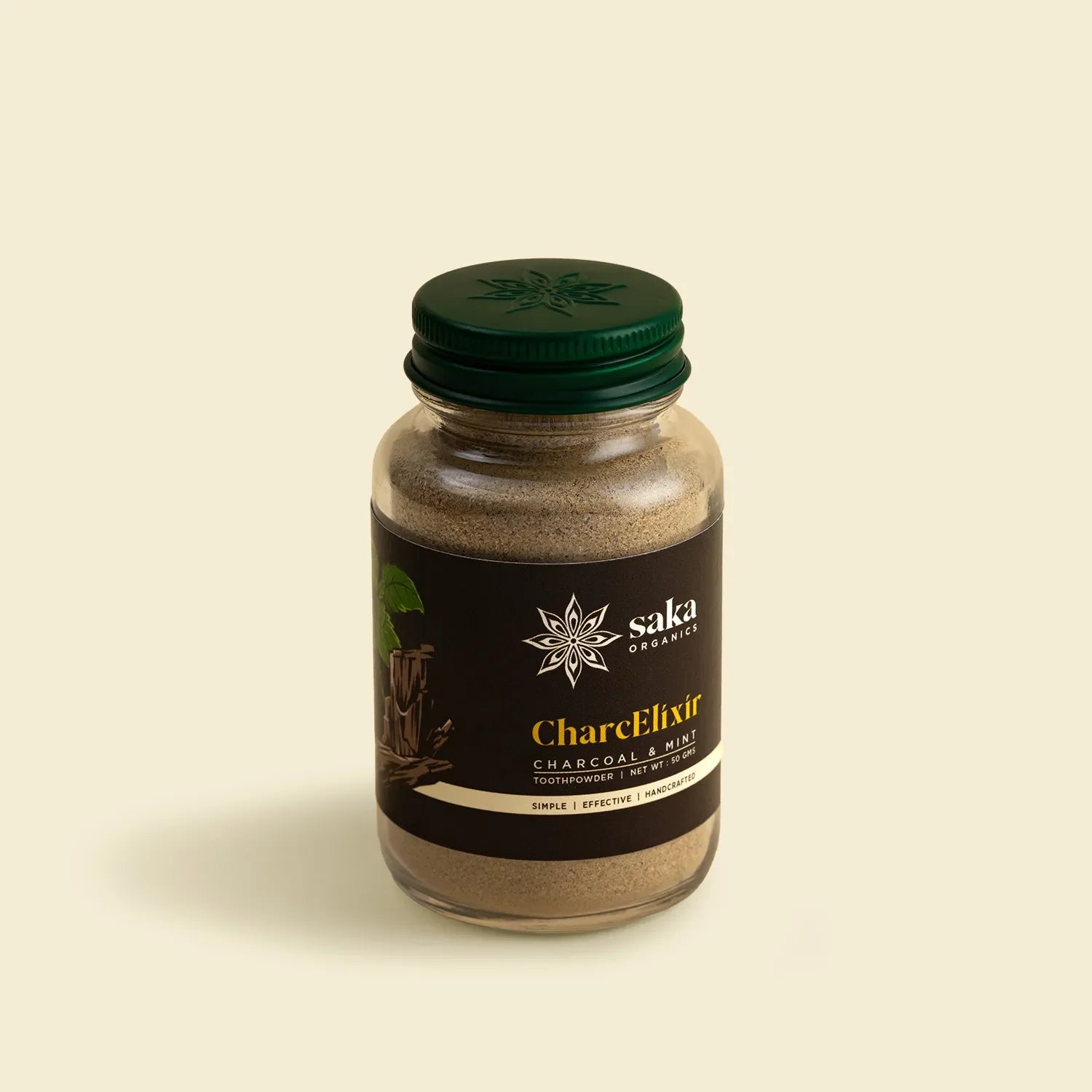
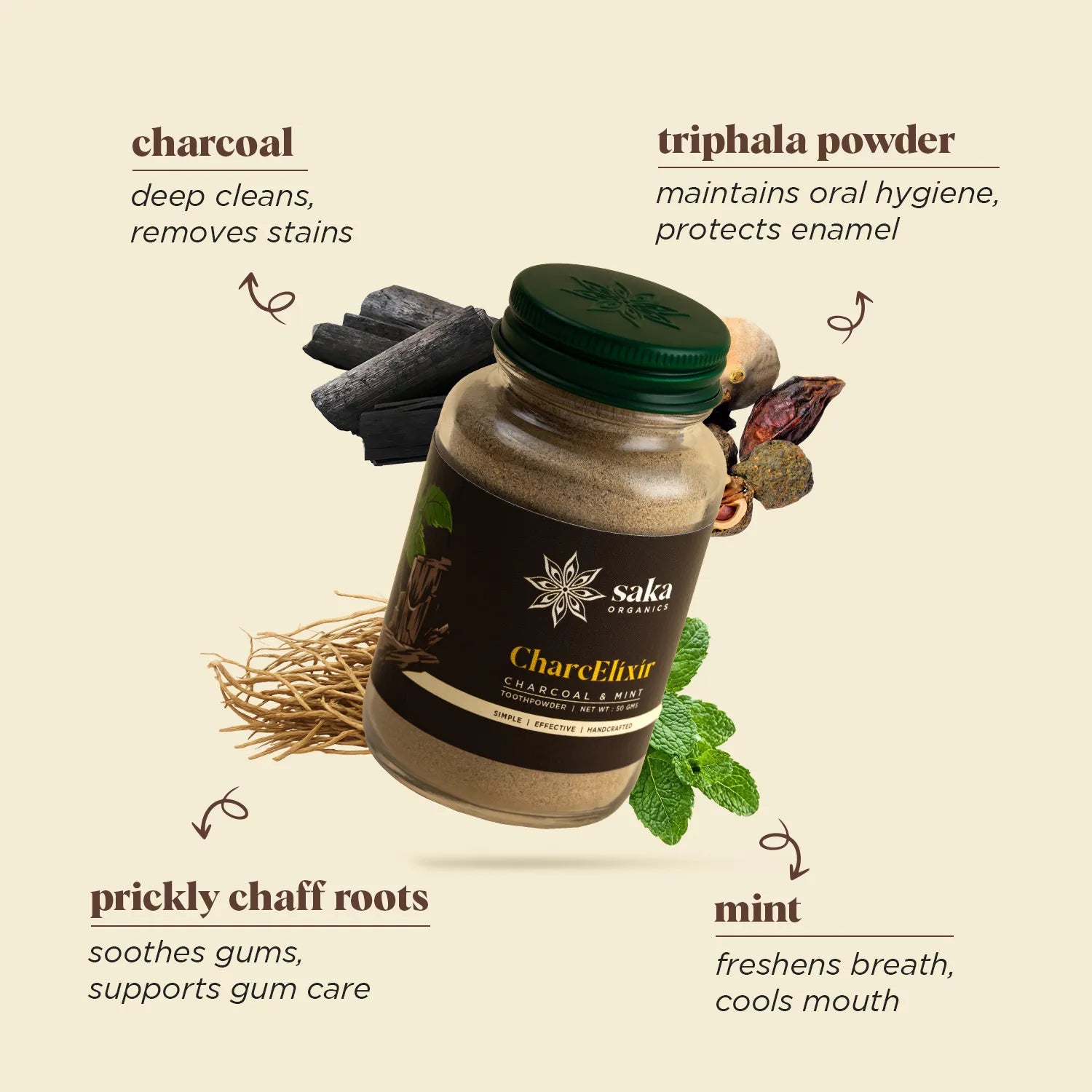
CharcElixir is a handcrafted toothpowder with spanish cherry bark, indian beech bark, triphala powder, prickly chaff roots, charcoal and mint powder, and stevia.
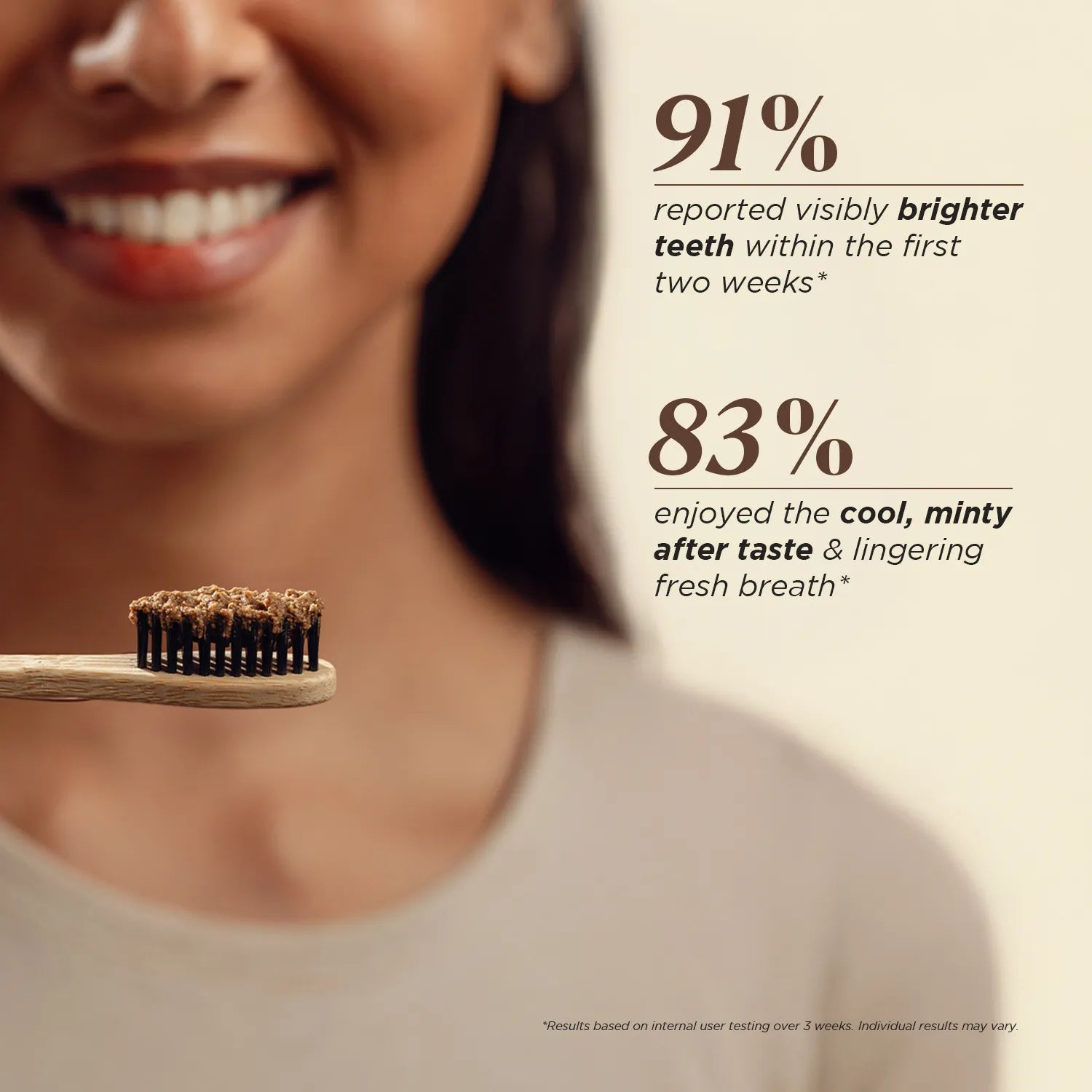
Used as a charcoal teeth whitening powder, charcoal and mint work alongside triphala and prickly chaff roots to cleanse, freshen, and support gum health. Sulphate-free.
What it clears with each brush:
-
Cleanses with spanish cherry and indian beech bark
-
Freshens with charcoal and mint powder
-
Supports gum health: triphala and prickly chaff roots
✨ Handcrafted with Care | 🌿 Nature-Powered | 💚 Everyday Wellness
Experience the goodness of conscious self-care—add it to your routine today.
Packaging Information
Manufactured by:
SSO Organics Privatet Limited
1-86, Penumarthi, Kakinada, AP-533005.
ML No: AP-17-0008263
Marketed by:
SSO ORGANICS PRIVATE LIMITED
Ground Floor, A & A Lake Front, Durgam Cheruvu Road,
Madhapur, Hyderabad, Rangareddy, Telangana - 500081
Caution: For external use only.
Storage: Store in a cool and dry place.
Best Before: *12 Months (From Date of Manufacturing)
Country of origin: India
Ingredients
Directions Of Use
End Of Life
Charcoal & Mint Tooth Powder
If you have any questions, you are always welcome to contact us. We'll get back to you as soon as possible, within 24 hours on weekdays.
-
Shipping Information
Use this text to answer questions in as much detail as possible for your customers.
-
Customer Support
Use this text to answer questions in as much detail as possible for your customers.
-
FAQ’s
Use this text to answer questions in as much detail as possible for your customers.
-
Contact Us
Use this text to answer questions in as much detail as possible for your customers.
Shop the Feed
FAQs
Please read our T&C page to find out more.
What exactly is toothpowder, and how does using Charcelixir differ from brushing with a conventional fluoride toothpaste in terms of the cleaning mechanism?
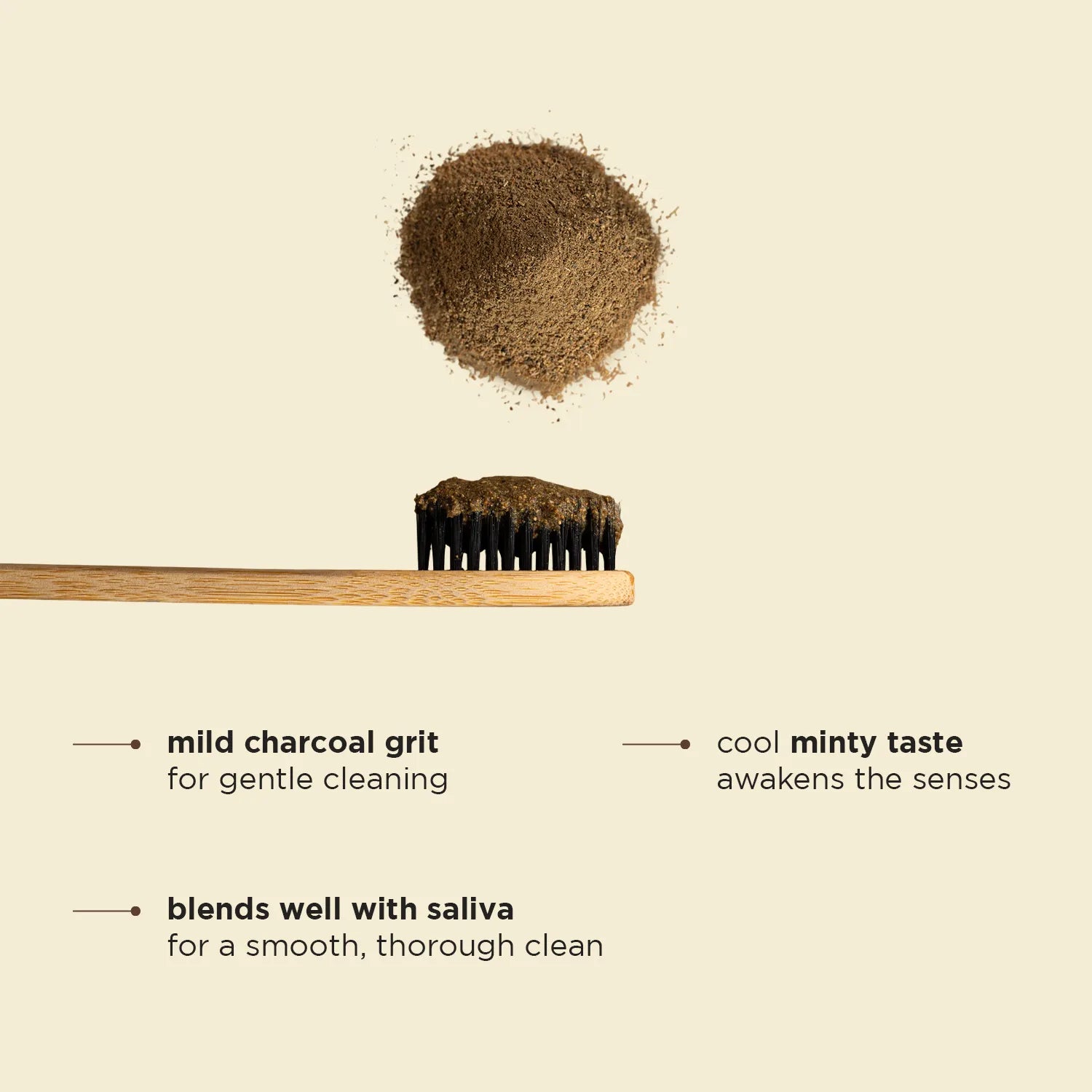
Toothpowder is one of the oldest forms of dental hygiene it predates toothpaste by centuries and has seen a genuine resurgence as people look for cleaner, lower-waste alternatives to tube-packaged paste. Charcelixir works through a dry or slightly dampened powder applied to the toothbrush, which creates a gentle abrasive action when brushing that physically polishes the tooth surface. Unlike conventional toothpastes, which rely heavily on detergents (like sodium lauryl sulphate), synthetic humectants, and artificial flavours to create a foam and a specific texture, Charcelixir's formulation is significantly simpler and cleaner. The activated charcoal provides the whitening and detoxifying action, the mint provides freshness and mild antimicrobial benefit, and the remaining ingredients serve functional oral care purposes without fillers, foaming agents, or synthetic preservatives.
How does activated charcoal in Charcelixir work as a tooth whitening powder, and is it safe for daily use on tooth enamel?
Activated charcoal functions as a tooth whitening powder through a process called adsorption it has an extremely porous surface that physically binds to stain-causing compounds from coffee, tea, wine, and tobacco, lifting them from the tooth surface when you brush and rinse. It does not bleach teeth chemically the way hydrogen peroxide-based whitening products do, which means it addresses extrinsic (surface) staining very effectively but won't change intrinsic tooth colour. On the question of daily use, this is where some nuance matters: activated charcoal is mildly abrasive, and using it daily over the long term could potentially contribute to enamel wear in some individuals, particularly those who brush with heavy pressure. The general guidance is to use charcoal powder for teeth 3–4 times per week rather than every day, and always brush with a gentle, circular motion rather than aggressive back-and-forth scrubbing.
Does Charcelixir charcoal mint toothpowder leave a black residue in the mouth, and how does the mint component interact with the charcoal?
The black colour of activated charcoal is the most common hesitation people have when trying a charcoal powder for teeth for the first time and yes, your mouth will look dramatic mid-brush. However, activated charcoal rinses away cleanly and completely with water, leaving no staining on teeth, gums, or the tongue. The key is to rinse thoroughly after brushing and not to spit carelessly over a light-coloured sink, as the powder can temporarily mark porous surfaces. The mint in Charcelixir plays a dual role it provides the familiar fresh-breath sensation that people associate with a completed brushing routine, and mint's natural antimicrobial compounds (primarily menthol and carvacrol) contribute to reducing the bacterial load in the mouth. The two ingredients are complementary: charcoal addresses surface staining and detoxification while mint handles freshness and bacterial control.
How should Charcelixir be used as a toothpowder is the technique different from using regular toothpaste, and how much product is needed per use?
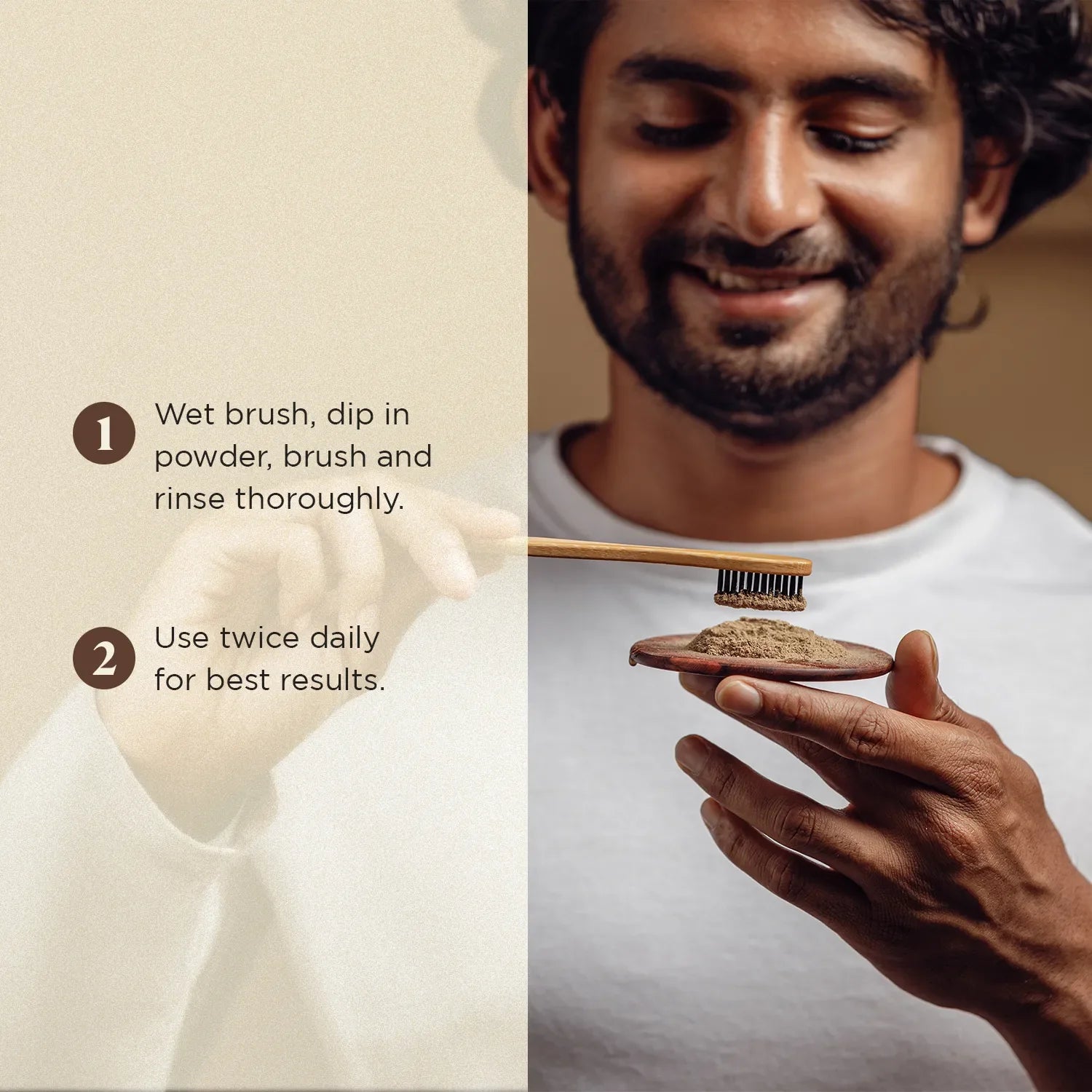
the technique requires a small adjustment from conventional toothpaste use. Dampen your toothbrush slightly, then dip it into the Charcelixir powder or tap a small amount (roughly a pea-sized portion less than you'd use of toothpaste) directly onto the bristles. Begin brushing immediately with gentle, circular strokes don't let the dry powder sit on your teeth without movement. Brush for a full two minutes, covering all surfaces. Then rinse thoroughly with water, swishing vigorously to ensure all the charcoal is cleared. Because toothpowder has no foaming agents, the experience feels notably different less foamy, more direct but this doesn't indicate it's less effective. In fact, the absence of foam means you're less likely to spit prematurely, which can actually improve brushing duration for some people.
Can Charcelixir charcoal mint toothpowder be used by people with crowns, veneers, or sensitive teeth, and are there any compatibility concerns?
For people with dental restorations like crowns, veneers, or bonding, activated charcoal toothpowders require some caution. The abrasive nature of charcoal powder for teeth can, over time, affect the surface finish of porcelain veneers or composite bonding dulling their polish rather than whitening them, since these materials respond differently to abrasion than natural enamel. It's advisable to consult your dentist before using Charcelixir regularly if you have significant restorative work. For sensitive teeth, the concern is different sensitivity is often linked to enamel thinning or exposed dentine, and an abrasive powder used with heavy pressure could worsen this. Using a very soft brush, light pressure, and limiting use to 2–3 times per week is the sensible approach. If sensitivity increases, reduce frequency or discontinue and consult a dental professional.
Let customers speak for us
Just started using it. Smell natural and feels good. yet to realize results. the packing - the bottle, oil dispensing pump and the cap are solid & thoughtfully designed for easy and spill proof usage.

"Premium quality toothbrush"
The packaging is beautiful and the product feels thoughtfully designed. A small change that makes a positive impact.

Premium quality tongue cleaner"
The product feels strong, lightweight, and well-designed. I appreciate the natural material and elegant packaging.

"Love the herbal formula"
I was looking for a natural tooth powder and this one exceeded my expectations. It feels gentle and refreshing.

"Love the Ayurvedic touch"
This tooth powder reminds me of traditional oral care remedies. The ingredients feel natural and gentle for everyday use.

⭐️⭐️⭐️⭐️⭐️
"Beautiful herbal bath powder"
I love using natural skincare products, and this one gives my skin a fresh and smooth feeling without feeling heavy.

"Best hair oil for my routine!"
I have been using this hair oil regularly and my hair feels much softer and healthier. The natural ingredients make it feel gentle and nourishing.
"Relaxing bath experience!"
This bath salt turns my normal bath into a spa-like experience. The natural fragrance feels calming and leaves my body feeling refreshed.

"Loved the coffee fragrance!"
The scrub smells amazing and makes my skin feel super soft after every use. My skin feels fresh, smooth, and hydrated.

Amazing handmade soap with a refreshing eucalyptus and camphor fragrance. It cleanses well, leaves my skin soft and hydrated, and provides a cooling, spa-like feeling after every use. Great quality product and perfect for everyday use. Will definitely purchase again!

This Activated Charcoal & Mint Detox Soap is one of the best handmade soaps I’ve used. It deeply cleanses my skin, removes excess oil, and leaves it feeling fresh and revitalized. The charcoal helps draw out impurities, while the mint provides a cooling and refreshing sensation. Despite its deep-cleansing properties, it doesn’t dry out my skin and keeps it feeling soft and hydrated. The natural ingredients and pleasant mint fragrance make it perfect for daily use. Highly recommended for anyone looking for a refreshing detox soap!

Excellent handmade soap! It leaves my skin clean, soft, and nourished without dryness. The turmeric helps brighten my complexion, while the shea butter keeps my skin moisturized. Great quality product with a pleasant natural scent. Will buy again!

I've avoided hair oils for years because most of them feel too heavy and greasy. This one was surprisingly lightweight and didn't leave my hair looking flat or oily. It's easy to apply, washes out without multiple rounds of shampoo, and feels much more pleasant to use than traditional hair oils.
I wasn't expecting much when I first tried this soap, but it quickly became one of my favourites. It lathers well, has a natural feel to it, and leaves my skin looking refreshed. After a few weeks of regular use, my skin looked clearer and more radiant. Simple, effective, and does exactly what I was hoping for.
Picked up a bunch of products from Saka Organics recently, and the Eucalyptus Soap has been the standout for me. It has a really fresh, clean scent that makes morning showers feel instantly more refreshing. I've also been using their lip balm and tooth powder, and both have exceeded my expectations. What I like most about the brand is that the products feel simple, honest, and effective - nothing unnecessary, just products that work. Will definitely be trying more from their range.